
Skip to content
ScaleFieldLab
MarTech · Example engagement

Pipeline Loop

A HubSpot rebuild with lead scoring and lifecycle automation that tied marketing to pipeline for a Dubai B2B SaaS company.

Example engagement. An anonymised scenario showing how we approach this kind of problem. The numbers are illustrative targets, not a published client result.

Target outcomes (illustrative)

MQL-to-SQL conversion
+48%
Speed-to-lead
5 minfrom 19h
Manual work saved per week
22 hrs

The 30-second version

  1. The problem

    Leads from LinkedIn, events and the website landed in a messy HubSpot with no scoring. Sales called back the next day, if at all, and marketing could not prove pipeline.

  2. What we built

    Clean lifecycle stages, a lead-scoring model agreed with sales, instant routing, nurture journeys, and LinkedIn audiences synced from the CRM.

  3. What changed

    Marketing and sales look at the same pipeline number. In this illustration MQL-to-SQL conversion rises 48% and speed-to-lead falls from 19 hours to 5 minutes.

The problem

A Dubai-based B2B SaaS company selling to operations teams across the GCC had outgrown its CRM setup. Leads arrived from LinkedIn, Google, webinars and partners, but HubSpot held duplicate records, lifecycle stages meant different things to different people, and sales cherry-picked leads from a spreadsheet. This is an example engagement that illustrates how we work; the client is anonymised and the figures are illustrative.
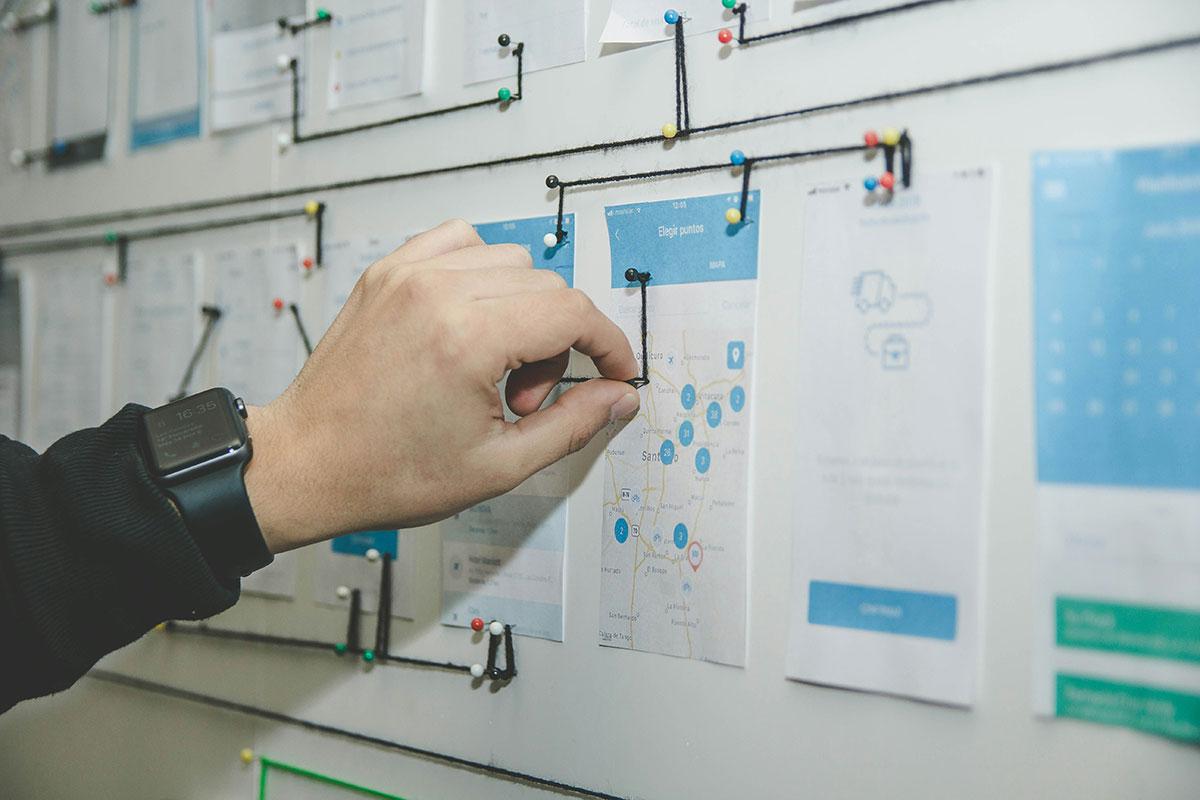
Workflow diagram pinned to a wall representing the lifecycle map

The goal

Give marketing and sales one shared definition of a qualified lead, respond to every high-intent lead within minutes, and report pipeline in AED by source, so budget decisions rest on revenue rather than form fills.

What we built

We treated the CRM as the product and designed it with both teams.

  • Lifecycle design: agreed definitions for lead, MQL, SQL and opportunity, documented and enforced with required properties.
  • HubSpot rebuild: deduplication, clean pipelines, round-robin routing by region and deal size, and offline conversion imports back to LinkedIn and Google Ads.
  • Lead scoring: fit and behaviour scores based on closed-won history, reviewed monthly with sales.
  • Lifecycle automation: nurture journeys by role and use case, meeting reminders, and re-engagement flows for stalled deals, all with PDPL-aligned consent.
  • Workflow automation: n8n flows connecting the product, billing and CRM, removing manual spreadsheet updates.

Hands reviewing printed charts representing pipeline reporting
Glowing processor chip representing automation

What changed

In a scenario like this, clarity is the multiplier. Over ten weeks in this illustration, MQL-to-SQL conversion rose 48%, median speed-to-lead dropped from 19 hours to five minutes, and automation removed about 22 hours of manual work a week. Leadership got a single pipeline report both teams trusted.


Before and after

The numbers we would hold ourselves to

Illustrative baselines and targets for an engagement like this, measured against the client’s own backend data.

  • MQL-to-SQL conversion

    +48%
    Before
    21%
    Target
    31%
  • Speed-to-lead (hours)

    −100%
    Before
    19
    Target
    0.08
  • Manual hours per week

    −73%
    Before
    30
    Target
    8

Channel mix

Where the effort went

Pipeline by source after the rebuild

  • LinkedIn ads35%
  • Organic & content25%
  • Events & partners20%
  • Outbound20%

12 weeks

How it would unfold

  1. 1Weeks 1–2CRM audit, lifecycle stages and lead scoring model
  2. 2Weeks 3–6Nurture journeys and sales routing automation
  3. 3Weeks 7–10LinkedIn ads synced to CRM audiences
  4. 4Weeks 11–12Pipeline dashboard and handover

Lessons

What we would watch for

  1. 01

    Agree the definition of a qualified lead with sales before building a single workflow.

  2. 02

    Speed-to-lead is the cheapest conversion lift in B2B. Route first, nurture second.

  3. 03

    Keep the scoring model simple enough that a sales rep can explain it. If they cannot, they will ignore it.

Recognise the problem?

What we’d do for you

Every b2b saas business has its own numbers, but the first moves rarely change. Here is how it would start.

  1. Step 1A 30-minute callYou bring the number that matters. We tell you plainly whether we can move it, and if we are the wrong team, who is.
  2. Step 2Growth & Tracking AuditFixed fee, AED 7,500, ten working days. We check tracking, accounts and funnel, then hand you a ranked plan you keep either way.
  3. Step 3First experiment in 14 daysClean data first, then one test with a success metric and a deadline. Weekly numbers from then on.

Related work

All work
Growth SystemIn progressLive nowResults published when they’re real

Luxury Retail · Ongoing · UAE, GCC

The Watch Scanner

The growth system for a Dubai pre-loved luxury watch dealer, from first WhatsApp message to settled sale.

  • Growth Marketing
  • Performance Marketing
  • Digital Marketing
  • SEO & GEO
  • Marketing Technology
  • AI Automation
Growth SystemIn progressLive nowResults published when they’re real

Fashion / E-commerce · Ongoing · UAE, International

Caleums

The growth system for a Dubai fine jewellery brand, from positioning and measurement to search, paid social and bespoke orders.

  • Growth Marketing
  • Performance Marketing
  • Digital Marketing
  • SEO & GEO
  • Marketing Technology
  • Web Design & Development
Next case study · WebClear Booking